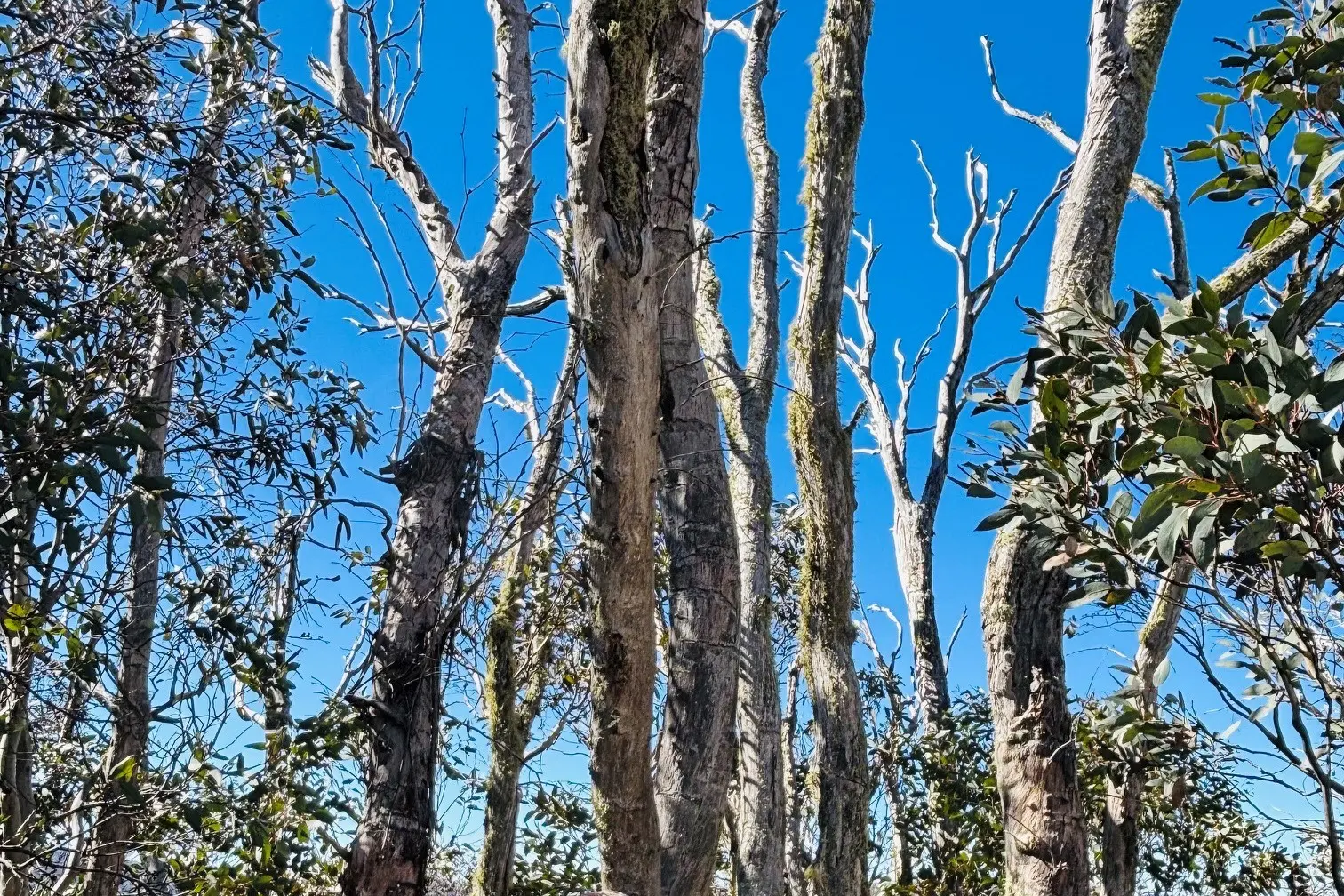
UPPER Goulburn Intrepid Landcare and Friends of the Earth North Central hosted a survey of snow gums at the top of Mount Torbreck recently, with some good findings. Fourteen keen hikers from Jamieson, Eildon, Buxton, Marysville and Healesville, as well as members of Benalla Bushwalking Club and a few plant enthusiasts from the City of Whittlesea, joined the trip, which was part of a larger citizen science effort across the High Country to investigate the current health of snow gums. The initial research found that the Mount Torbreck snow gums are healthier than their counterparts in the alpine regions of Mount Buller and Mount Stirling. While Mt Torbreck was severely impacted by fires, including the 1939, 2003 and 2009 bushfires, snow gums in local alpine and subalpine areas in Murrindindi Shire appear to be less impacted by beetle dieback than areas further north. As many as half the trees surveyed in an area near Bluff Spur Track at Mount Stirling in early August were found dead due to beetle dieback. However, the assumed cumulative impact of dieback, multiple bushfires and the long logging history of the area would have to be considered, and much more comprehensive surveys conducted, to assess the overall health of the landscape surrounding Mount Torbreck. The Mount Torbreck hiking group surveyed 591 trees adjacent to the hiking trail, working in pairs from the summit to the bottom of the trail at the Barnewall Plains camping area. Closer to the mountain’s peak, more than 80 per cent of snow gums surveyed were healthy, featuring majestic, mature trees and vibrant new growth. At a slightly lower elevation, some fire and storm damage was evident and a minimal presence of beetle dieback began to be observed, however, 59 per cent of trees recorded were still healthy. This is compared with the Mount Stirling survey, which found 490, or 44.6 per cent, of snow gums had died or were in severe decline. A further 23.2 per cent of Mount Stirling snow gums were in noticeable decline, with 222 of these showing obvious dieback impacts. Mount Stirling’s initial report also showed that dead or declining snow gums outnumbered healthy trees, of which there were 356, or 32.2 per cent. However, as the Mount Torbreck survey group descended from the summit, the impacts from both fire and dieback became more evident. Once the snow gum woodland transitioned back to a mix of snow gum and alpine ash forest that had a greater disturbance history, evident through dense silver wattle, blackberry encroachment and visible fire scars, beetle dieback became much more marked, with the majority of snow gums dead or in decline and only 21 per cent healthy. “It’s great to see local communities and outdoor clubs getting out into the bush to take a look at what’s going on for themselves, on the ground,” Kim Croxford from Friends of the Earth said. “Information gathered by everyday people who care about the bush can really help inform scientists and land managers about what kinds of intervention may prevent the ecological collapse of these unique alpine landscapes,” she said. It is believed the increasing frequency of bushfires, as well as the changing behaviour of a native wood-boring longicorn beetle, phoracantha mastersi, is causing widespread dieback of snow gums across the Australian Alps, particularly in NSW, the ACT and Victoria. Another set of local citizen science hikes will be planned for December this year.