
PHOTO

Victorians appear to be keeping a close eye on the price of petrol, with Google searches for ‘petrol prices’ showing significant fluctuations over the past year, a topic of particular relevance in regional Victoria.
Search interest in petrol prices across the state has risen and fallen sharply over the past 12 months according to Google Trends, reflecting the growing importance of the cost of filling up for motorists.
For people living in regional communities, where longer distances and limited public transport can make a car essential, price movements at the bowser can have a direct impact.
There was particular interest in the topic in March and April, and a renewed uptick in September as the unstable market and re-implemented fuel excise again start to bite.
The temporary reduction in fuel excise ended on August 3, with the return to the full rate expected to add about 17.5 cents a litre to petrol and diesel prices.
At the same time, international oil market pressures have continued to affect Australian fuel prices. This includes the ongoing issues around the Strait of Hormuz.
The Australian Institute of Petroleum's weekly data tracks retail petrol prices across Victoria.
While prices can vary substantially from one service station to another. Victorian fuel-price data reported on September 13 showed regular unleaded prices averaging $211.1 and a wholesale price average of $206.5.
A 50-litre fill at $2 per litre costs $100. At $2.20 per litre, the same fill costs $110. At $2.40, it costs $120.
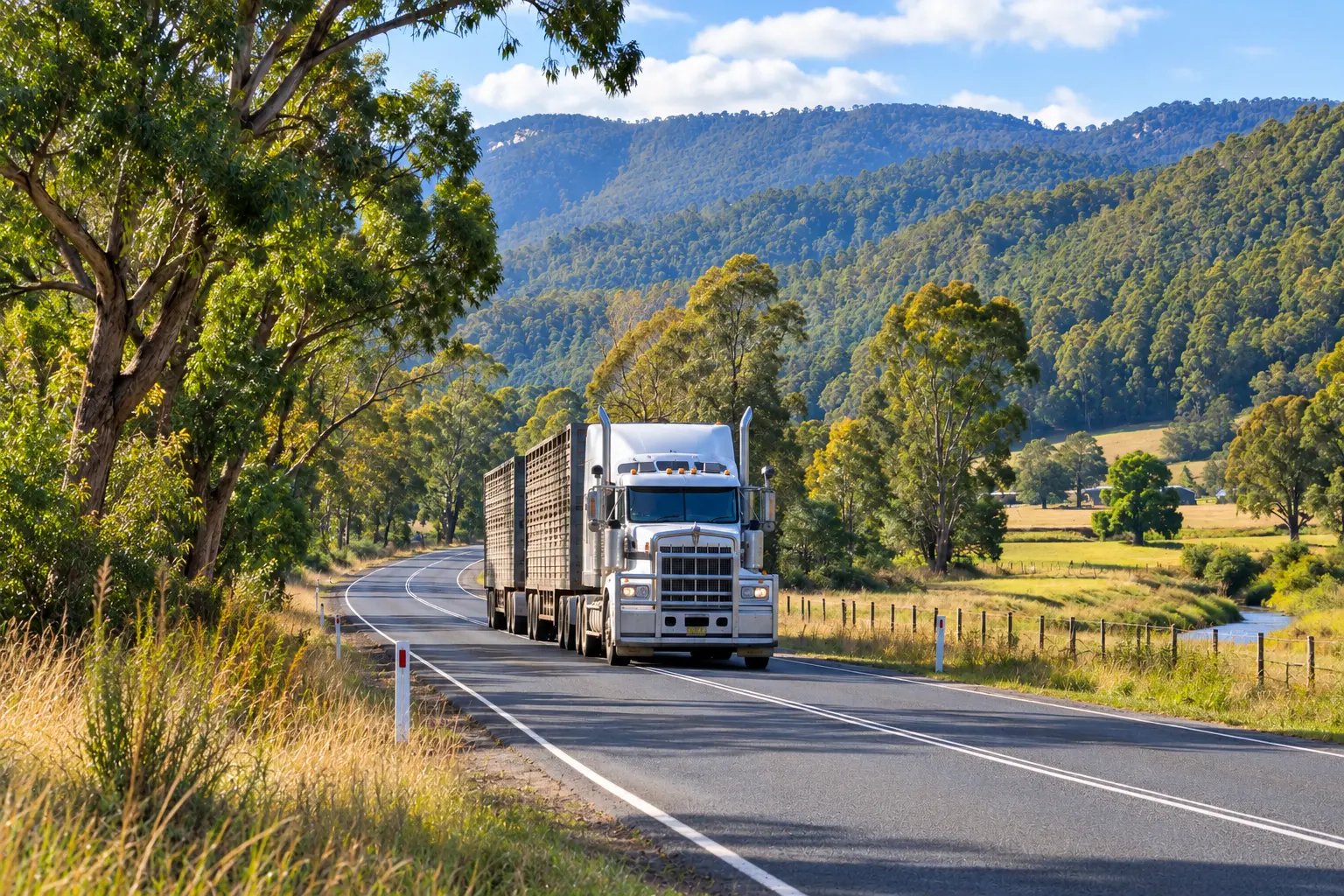
For someone driving hundreds of kilometres each week, those differences quickly add up. With minimal public transport available in regional areas such as Murrindindi Shire, many regional drivers cannot simply leave the car at home and catch another form of transport.
Farmers, tradespeople, health workers, commuters and families travelling between towns can face substantial distances simply to work, shop, attend appointments or take children to sport.
The Australian Competition and Consumer Commission notes that the regular petrol price cycles seen in Melbourne and other major capitals generally do not occur in most regional locations.
Victorian motorists can check prices at individual service stations using the Victorian government's Servo Saver fuel map, which allows drivers to compare prices across the state, however, when there are few choices, this becomes less relevant.
For regional communities, the question must be asked, how long can higher fuel costs can be absorbed?
If Google searches are anything to go by, Victorians are watching the price at the bowser closely.
This content is part of a paid partnership with Google to promote Google Trends. It uses Google Trends data to explore Australian search interest in fuel prices. Google Trends data is aggregated and anonymous. Search interest is measured on a relative scale and does not represent total search volume.